How to Choose a Reliable Carpet Cleaner in Geelong A Complete Homeowner's Guide
How to Choose a Reliable Carpet Cleaner in Geelong
Choosing the right carpet cleaner is not simply a matter of finding the lowest advertised price. The quality of the inspection, cleaning method, equipment, stain treatment and drying process can all affect the final result. A reliable carpet cleaner should also communicate clearly, respect your property and explain what can realistically be achieved before the work begins.
If you are searching for a dependable carpet cleaner in Geelong, look for a local company with relevant experience, clear service information, professional cleaning processes and genuine customer feedback. Ask what is included in the quote, how the cleaner will assess your carpet, which method will be used and whether additional charges may apply. The right provider will answer those questions openly rather than pressure you into making a quick decision.
At Rapid Dry Carpet Cleaning and Flood Restoration Geelong, we provide professional carpet cleaning for homes, rental properties, offices and other commercial premises throughout Geelong and surrounding suburbs. We assess the condition of the carpet, select a suitable cleaning approach and focus on careful workmanship from the initial inspection through to the final check.
For a clear quote or urgent assistance, call our team on 0488 042 391. We are available 24 hours a day, seven days a week for carpet cleaning and emergency water-damage enquiries.
What Makes a Carpet Cleaner Reliable?
A reliable carpet cleaner combines technical knowledge, suitable equipment, honest advice and consistent customer care. Good carpet cleaning is not a one-method-fits-all service. Different fibres, carpet constructions, stains and property conditions require different decisions.
Before cleaning begins, a professional should take time to inspect the carpet and identify important issues. These may include heavy traffic lanes, old stains, pet contamination, loose seams, damaged fibres, colour instability or excess moisture. This inspection helps the cleaner select an appropriate process and set realistic expectations.
Reliability also means turning up as arranged, protecting surrounding surfaces, discussing any concerns and providing a clear explanation of the service. You should understand what is being done in your property, what the quoted price covers and how long the carpet is likely to take to dry.
When comparing carpet cleaners in Geelong, assess the complete service rather than choosing on price alone. A very cheap offer may exclude important steps such as pre-vacuuming, stain treatment, deodorising, furniture moving or a proper extraction rinse. Asking detailed questions before booking can help you avoid unexpected charges and disappointing results.
1. Choose a Carpet Cleaner With Genuine Local Experience
Local experience matters because it gives a company a practical understanding of the homes, businesses and property-management expectations in the Geelong region. An established local cleaner should be familiar with a broad range of carpets found in houses, apartments, offices and rental properties.
Experience is particularly valuable when a carpet has more than routine surface soil. Pet accidents, drink spills, tracked-in dirt, greasy residues, water exposure and long-term traffic wear can all require different treatments. A skilled cleaner understands that a mark may be a removable stain, permanent discolouration, fibre damage or colour loss. These conditions do not respond in the same way.
Ask the company how long it has been providing carpet cleaning and what types of properties it regularly services. If you require office carpet cleaning, end-of-lease cleaning or urgent wet-carpet drying, confirm that the provider has direct experience with that particular job.
At Rapid Dry, our work covers residential and commercial carpet cleaning, water-damage restoration and carpet drying. This broader experience is especially useful when a carpet problem involves moisture, a leak, flooding or the risk of damage beneath the visible surface.
2. Check Whether the Cleaner Inspects the Carpet First
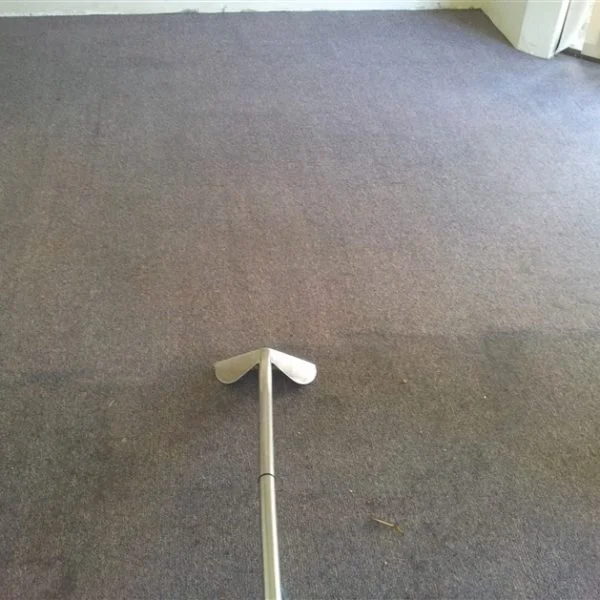
A proper pre-cleaning inspection is one of the clearest signs of a professional service. Carpet can differ in fibre type, backing, installation method, age and condition. A process that is suitable for one carpet may not be the best choice for another.
During an inspection, a carpet cleaner should look at:
- the carpet fibre and construction;
- the level and type of soiling;
- spots, stains and odour sources;
- high-traffic areas;
- signs of wear, fading or permanent damage;
- joins, edges and loose sections;
- access, ventilation and expected drying conditions; and
- any history of flooding, leaks or previous cleaning problems.
This stage also gives you an opportunity to identify the areas that concern you most. Point out stains even if they appear obvious. Explain what caused them if you know, how old they are and whether you have already applied a household cleaning product. Previous products can sometimes leave residues or alter a stain, so this information helps the cleaner make a safer decision.
A trustworthy carpet cleaner will explain that some stains may not be fully removable. The result can depend on the substance, fibre, dye, age of the stain and products previously used. Honest expectations are far more valuable than an unrealistic guarantee made before the carpet has even been inspected.
3. Ask Which Carpet Cleaning Method Will Be Used
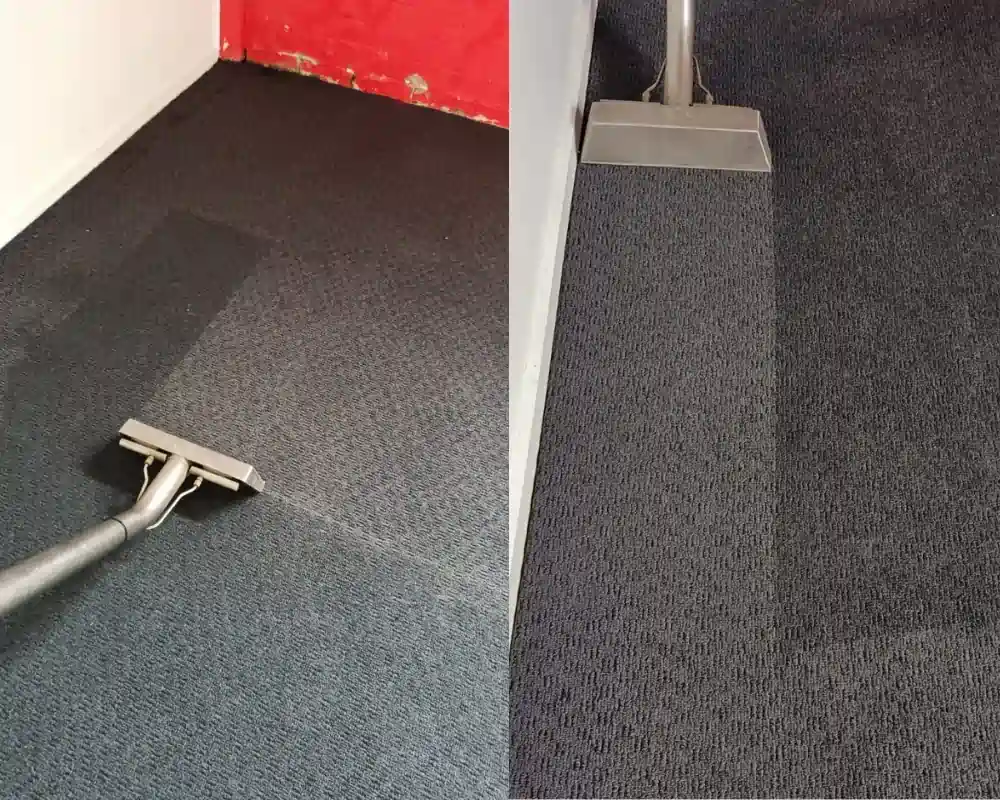
Many people use the term “steam cleaning” to describe hot-water extraction. In this process, a suitable cleaning solution and hot water are applied to loosen soil, after which the suspended contamination is extracted from the carpet. When performed correctly, the process can provide a thorough clean for many carpet types.
However, the best method should be based on the carpet and the conditions at the property. The cleaner may need to adjust the chemistry, water temperature, agitation, pressure, extraction technique and drying plan. Commercial carpet tiles, delicate fibres and heavily contaminated carpet may require a different approach from a lightly soiled lounge-room carpet.
Before booking, ask:
- What cleaning method do you recommend for my carpet?
- Why is that method appropriate?
- Is pre-vacuuming included?
- Are spots and stains treated separately?
- Is an extraction rinse included?
- How will you avoid over-wetting the carpet?
- What drying time should I expect?
The company should be able to explain the process in plain English. Be cautious if the answer is vague or if the provider claims that one quick treatment is perfect for every carpet.
4. Look for a Complete Cleaning Process
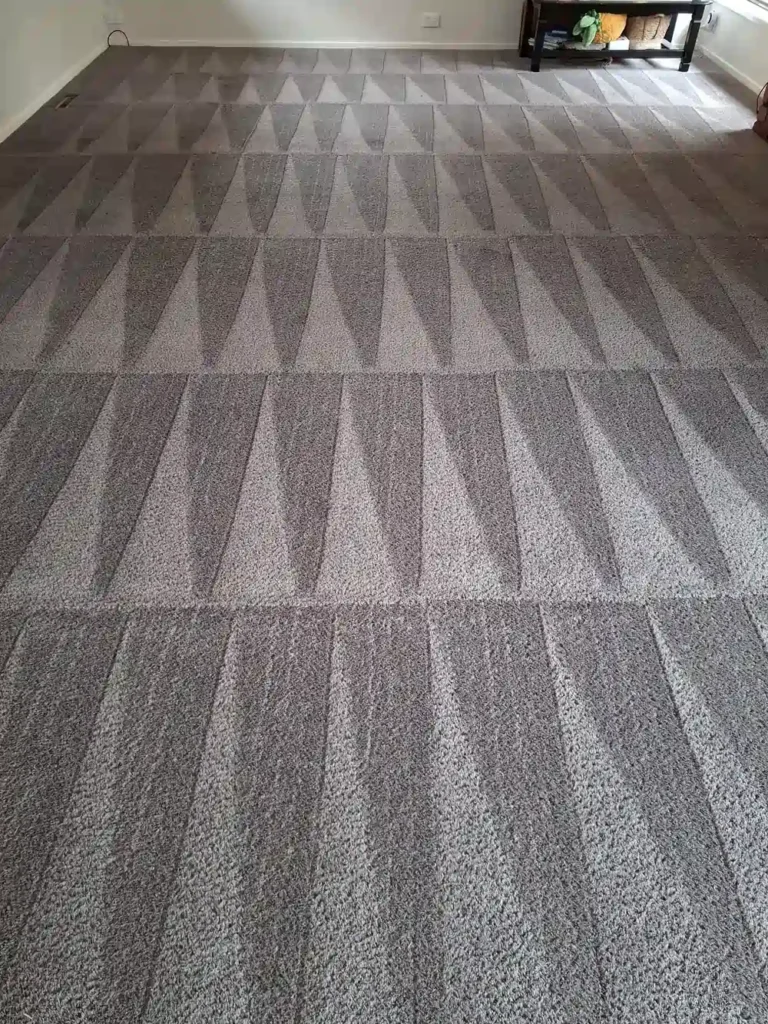
Professional carpet cleaning normally involves more than passing a machine over the floor. The exact steps will vary, but a careful process may include inspection, dry-soil removal, pre-treatment, spot treatment, agitation where appropriate, extraction, grooming and a final review.
Pre-vacuuming and dry-soil removal
Dry particles such as dust, sand, grit, hair and crumbs should be removed as effectively as possible before wet cleaning. When dry soil becomes wet, it can be harder to extract. Grit can also contribute to abrasive wear as people walk across the carpet.
Ask whether pre-vacuuming is included or whether the company expects the customer to vacuum before arrival. Either arrangement can work, but it should be made clear when you book.
Pre-treatment
A suitable pre-treatment helps loosen oily and bonded soil before extraction. The product and strength should be selected for the fibre, degree of soiling and intended cleaning process. More chemical is not automatically better; the aim is effective cleaning with appropriate products and controlled use.
Spot and stain treatment
General cleaning and specialised stain removal are related but not identical. Some stains require targeted treatment before or after the main clean. Red wine, coffee, ink, rust, pet urine and oily residues can respond differently. Ask which spot treatments are included and whether difficult stain removal carries an additional charge.
Extraction and rinsing
Effective extraction removes suspended soil, cleaning solution and moisture. The operator’s technique is important. Excess water, rushed extraction or too few drying passes can contribute to slow drying and residue concerns.
Final inspection
After cleaning, the technician should review the carpet and discuss the outcome. Some areas may need additional attention. A final check also provides an opportunity to explain drying, ventilation and when furniture can safely be returned.
5. Make Sure the Quote Is Clear
A reliable quote should help you understand the likely cost and inclusions before work begins. Carpet-cleaning prices can vary according to the number and size of rooms, carpet condition, access, furniture, stain treatment and any additional services required.
When requesting a quote, provide accurate information. Tell the company how many carpeted rooms or areas need cleaning, whether there are stairs, whether the property is occupied, and whether there are significant stains, pet odours or water damage. Photos can sometimes help with an initial estimate, although an on-site assessment may still be required.
Ask the following questions:
- Is the price fixed or an estimate subject to inspection?
- Is GST included?
- Are call-out or travel charges applicable?
- Does the quote include pre-treatment and standard spot treatment?
- Is deodorising included or optional?
- Are stairs, hallways and walk-in wardrobes priced separately?
- Does moving furniture cost extra?
- Are there additional charges for heavy soiling, pet treatment or specialised stain removal?
Avoid choosing a company solely because it advertises an unusually low room price. The final bill may be very different if the offer excludes normal cleaning steps or is used only to secure the booking before costly additions are introduced.
At Rapid Dry, we encourage customers to describe the job clearly so we can provide useful information about the service and likely cost. If an inspection changes the scope, that should be discussed before additional work proceeds.
6. Read Reviews Carefully, Not Just the Star Rating
Online reviews can provide helpful insight, but the overall star rating is only one part of the picture. Read a selection of recent comments and look for patterns in customer experiences.
Useful reviews may mention:
- punctuality and communication;
- care taken inside the property;
- the appearance and freshness of the carpet;
- stain-treatment outcomes;
- whether the quoted price was respected;
- drying advice and aftercare;
- responsiveness to questions or concerns; and
- experience with residential, commercial or rental-property cleaning.
Consider how the business responds to critical feedback as well. A calm, respectful and solution-focused response can tell you a great deal about its approach to customer service.
Reviews should support your decision, not replace proper enquiries. Even a highly rated company should be willing to explain its service, provide clear contact information and answer questions relevant to your carpet.
7. Confirm Insurance, Training and Professional Standards
Before allowing a contractor to work in your home or business, ask whether the company holds suitable insurance and whether its technicians have relevant training. Carpet cleaning involves water, equipment, chemicals and work around furniture, walls and flooring, so responsible risk management matters.
Training helps a technician understand fibre identification, cleaning chemistry, stain behaviour, moisture control and safe equipment use. It also improves the ability to recognise situations where a different treatment—or no treatment—may be the safer choice.
Professionalism should be visible in the details. Look for organised communication, a clearly identified business, suitable equipment, respectful behaviour and a willingness to document the agreed work. These factors do not replace technical skill, but together they indicate that the company takes its responsibilities seriously.
8. Ask About Products, Children and Pets
If children, pets, older people, or sensitive individuals live or work at the property, tell the carpet cleaner when booking. Ask about expected products, recommended ventilation, and when the carpet is safe to walk on.
The word “chemical” is often viewed negatively, yet all cleaning products, including water, are chemicals. The focus should be on product suitability, proper dilution, controlled use, and thorough extraction.
Do not assume that “natural”, “green” or “non-toxic” automatically means a product is suitable for every fibre, stain or person. A professional cleaner should follow product instructions and select the process based on the carpet and site conditions.
Keep children and pets away from the working area while equipment, hoses and damp carpet are present. Follow the technician’s advice on ventilation, drying and re-entry.
When DIY Isn’t Enough: The Rapid Dry Spring Solution
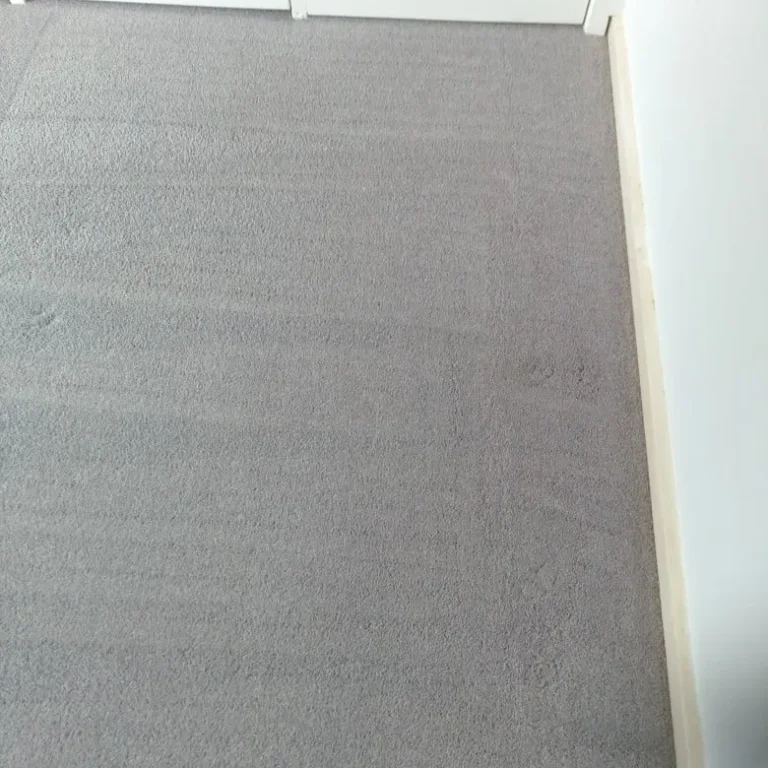
A standard vacuum cannot remove the deep-seated pollen, dust mites, and pet dander that accumulate. Our spring deep clean uses hot water extraction to flush these allergens from the base of the carpet pile, significantly improving indoor air quality.
This is also the perfect time for a post-flood check-up. If you had minor damp issues over winter, our technicians can use moisture meters to ensure no hidden problems persist. A professional spring clean lifts matted fibres, restores colour, and removes the deep grime of the past year, setting your home up for the season ahead.
9. Understand the Importance of Proper Drying
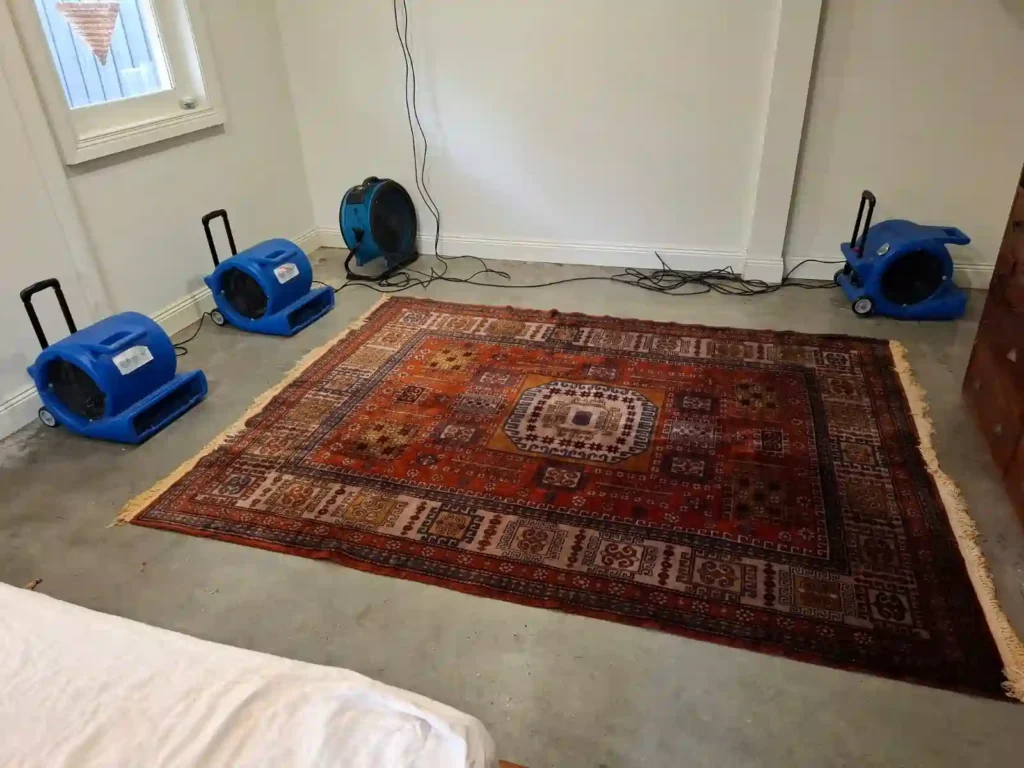
Drying is an essential part of carpet cleaning. The actual drying time depends on the cleaning method, carpet thickness, amount of moisture used, extraction efficiency, indoor temperature, airflow and humidity. For that reason, a trustworthy company should give you a realistic range rather than promise an exact time in every situation.
You can often support drying by:
- opening windows when weather conditions are suitable;
- using ceiling fans or portable fans safely;
- running heating, cooling or dehumidification as advised;
- keeping unnecessary foot traffic off the carpet;
- avoiding the replacement of furniture too soon; and
- following all site-specific instructions provided by the technician.
Avoid placing timber, metal, or furniture feet directly on damp carpet unless advised safe or protected. Moisture may cause stains, rust, or color transfer. Slow drying can indicate a larger issue, like burst pipes or flooding, where standard cleaning isn’t enough. Moisture can stay in underlay, subfloor, or nearby materials even if the surface feels dry. Rapid Dry offers emergency water damage services in Geelong. Call 0488 042 391 promptly for assessment.
10. Choose a Cleaner Who Can Treat Stains Honestly
When winter hits hard, you need more than a shop vac. You need a structured restoration process.
What a professional flood restoration should include
1) Assessment + moisture mapping
Identifies how far water has travelled (often more than you think).
2) Rapid water extraction
High-powered extraction pulls water out of carpet and underlay, not just the surface.
3) Controlled drying and airflow
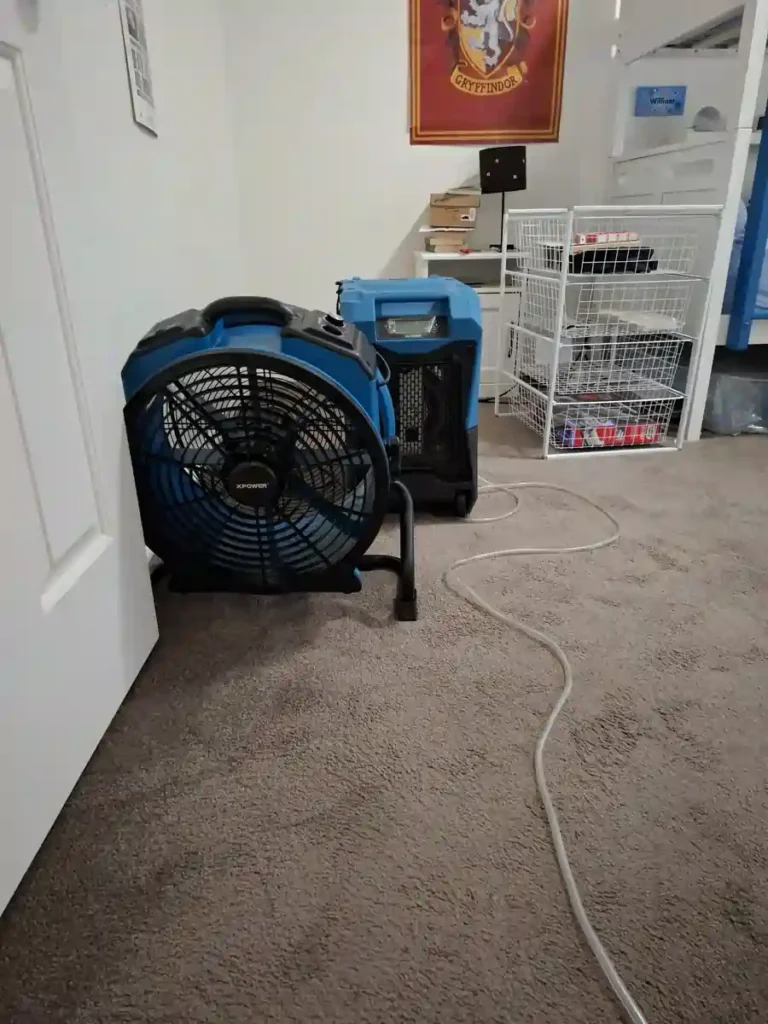
Industrial air movers + dehumidification to dry efficiently without driving moisture into walls.
4) Underlay evaluation
Sometimes underlay can be saved, sometimes it must be replaced, a professional can advise based on contamination and saturation level.
5) Mould prevention treatment
Targets microbial growth risk areas and keeps indoor air safer.
6) Ongoing monitoring
Drying isn’t guesswork, moisture levels should be checked until safe.
Save our 24/7 emergency number now so you’re not searching during a storm.
If you need water damage repair after a storm in Geelong, calling early can reduce costs and prevent mould.
11. Select the Right Cleaner for Your Type of Property
Different properties create different carpet-cleaning requirements. Choose a provider whose experience matches your situation.
Residential carpet cleaning
Homes often require careful work around furniture, pets, children and daily routines. The cleaner should discuss access, fragile items, stain concerns and suitable drying arrangements. Bedrooms, hallways, stairs and living areas may have very different levels of use and soiling.
Rental and end-of-lease carpet cleaning
Tenants should review their lease and the property manager’s instructions before booking. Ask the cleaner for a clear invoice or service record and confirm whether stain treatment, pet treatment or deodorising is required. Carpet cleaning cannot repair permanent wear or damage, so it is useful to separate cleanliness issues from maintenance concerns.
Office and commercial carpet cleaning
Businesses may require after-hours scheduling, staged cleaning, quicker access and a plan that reduces disruption. Commercial carpet can have concentrated traffic lanes, drink spills, entry soil and chair-wheel wear. Ask whether the cleaner can work with your operating hours and property-access requirements.
Water-affected carpet
Wet carpet requires a different assessment from normal maintenance cleaning. The water source, time elapsed, affected materials and potential contamination must all be considered. Simply cleaning the visible carpet may not address moisture in the underlay or structure.
Because we provide both carpet cleaning and flood-restoration services, Rapid Dry can assess whether the problem is a routine cleaning job or requires a more detailed drying and restoration response.
12. Compare Communication and Customer Care
The way a company communicates before the booking often indicates what you can expect on the day. A reliable provider should be easy to contact, listen to your concerns and provide practical answers.
Good communication includes:
- confirming the booking details;
- explaining how to prepare the property;
- discussing access and parking requirements;
- advising what is included in the service;
- setting realistic expectations about stains and drying;
- obtaining approval before extra work; and
- providing aftercare instructions.
Be cautious if a provider avoids questions, refuses to explain the quoted service or pressures you to agree immediately. Carpet cleaning should be a straightforward professional transaction. You should feel informed rather than rushed.
Why Geelong Property Owners Choose Rapid Dry
Rapid Dry Carpet Cleaning and Flood Restoration Geelong provides local cleaning and restoration support for residential and commercial properties. Our services include carpet and steam cleaning, office carpet cleaning, end-of-lease and bond carpet cleaning, carpet stain removal, rug cleaning, tile and grout cleaning, flooded-carpet drying, wet-carpet cleaning, water-damage restoration and emergency water-damage repair.
We understand that customers want more than a carpet that looks better for a short time. They want honest information, careful work, clear communication and a service suited to the actual condition of their property. Our approach begins with understanding the problem so we can recommend an appropriate response.
When you contact us, please tell us whether the job is routine carpet cleaning, stain treatment, rental-property cleaning, commercial cleaning or an urgent water event. This helps us ask the right questions and prepare for your needs.
We service Geelong and surrounding suburbs and are available 24/7 for urgent enquiries. Our location is 50/58 Moorabool Street, Geelong VIC 3220.
Our Full Range of Services
We offer a comprehensive suite of cleaning and restoration services across Geelong and surrounding suburbs, including:
- Carpet cleaning and steam cleaning
- Tile and grout cleaning
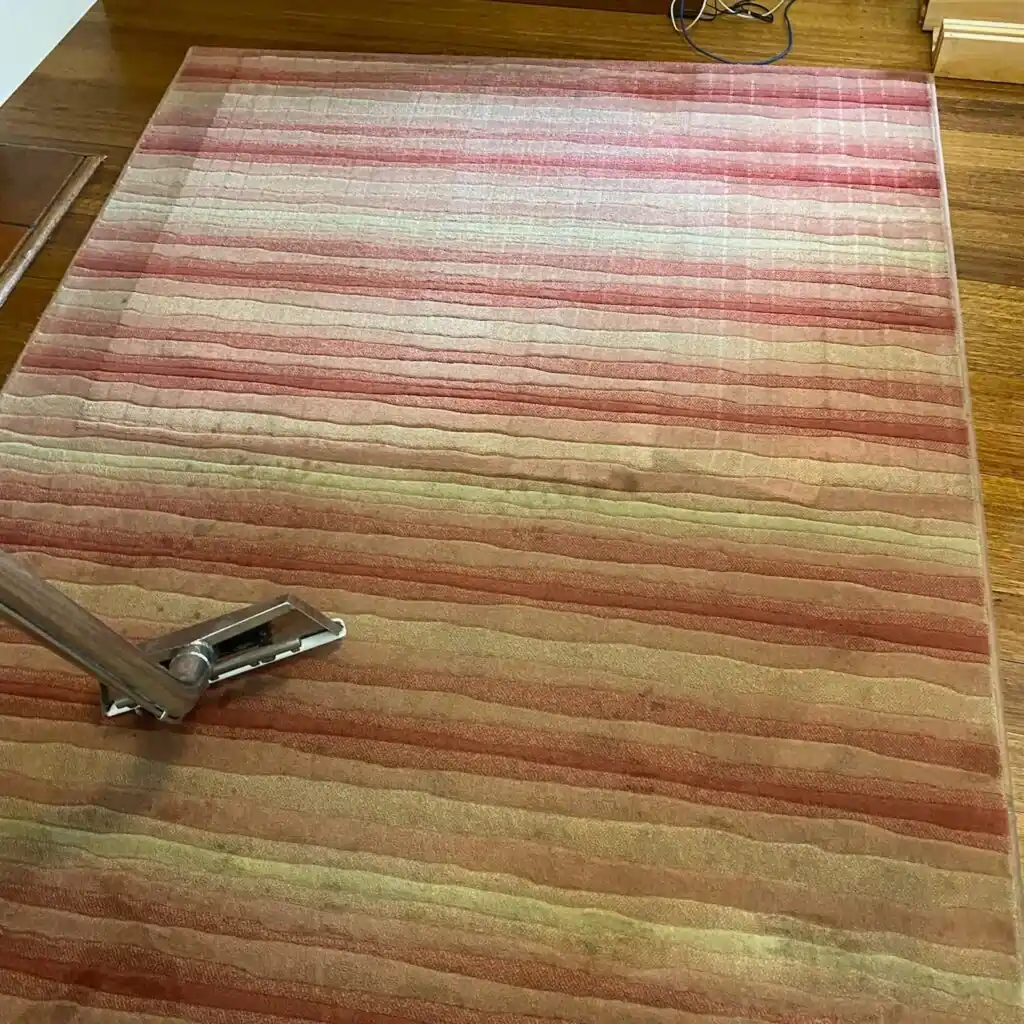
- Rug cleaning
- Office and commercial carpet cleaning
- End-of-lease carpet cleaning
- Bond carpet cleaning
- Carpet stain removal
- Flood restoration
- Carpet drying and flooded carpet drying
- Wet carpet cleaning
- Water damage repair
- Water damage restoration Geelong
- Emergency water damage repair Geelong
- Emergency carpet cleaning Geelong
Every service is delivered with the same care, professionalism, and attention to detail that has made us a preferred choice for local families and businesses.
Frequently Asked Questions
How much does professional carpet cleaning cost in Geelong?
Pricing depends on the size of the area, the type of carpet, the level of soiling, and any additional treatments required for stains, odours, or pet damage. We provide a clear, upfront quote before any work begins so there are never any surprises. Call 488 042 391 for an obligation-free quote.
How long does it take for carpets to dry after cleaning?
With our rapid drying process, most carpets are dry to the touch within 2 to 4 hours and fully dry within 6 to 8 hours. Drying times can vary depending on humidity, airflow, and carpet thickness.
How often should I have my carpets professionally cleaned?
For most households, we recommend a professional clean every 12 months. Homes with young children, pets, allergy sufferers, or heavy foot traffic may benefit from cleaning every 6 months. Commercial properties often need quarterly cleaning depending on usage.
Do you offer end-of-lease and bond carpet cleaning?
Yes. We provide a specialised end-of-lease and bond carpet cleaning service designed to meet the standards required by Geelong property managers and real estate agents. We can supply a receipt for your rental inspection.
Is your carpet cleaning safe for children and pets?
Absolutely. We use safe, family-friendly cleaning solutions and modern extraction methods that leave your carpet clean, dry, and free of harsh residues.
Do you provide emergency water damage services in Geelong?
Yes. Our 24/7 emergency response team is available around the clock for flooded carpets, burst pipes, storm damage, and other water damage emergencies. Call 488 042 391 any time, day or night.
Can you remove pet stains and odours?
In most cases, yes. Our technicians are trained in advanced stain and odour removal techniques, including treatments that neutralise pet urine at the source rather than masking the smell.