Professional Mould Remediation • Geelong
Mould Removal Geelong
Professional mould removal and remediation for Geelong homes, rental properties and commercial premises, with careful attention to moisture conditions, affected materials, containment and appropriate remediation.
- Residential & Commercial Properties
- Moisture-Focused Assessment
- Controlled Remediation
Local Mould Remediation Service
Professional Mould Removal for Geelong Properties
Discovering mould in a home or commercial building can indicate that excess moisture is present somewhere within the property. Effective remediation should therefore consider both the visible mould and the conditions that allowed it to develop.
Rapid Dry Restoration Geelong provides professional mould assessment, removal and remediation for residential and commercial properties throughout Geelong and surrounding suburbs.
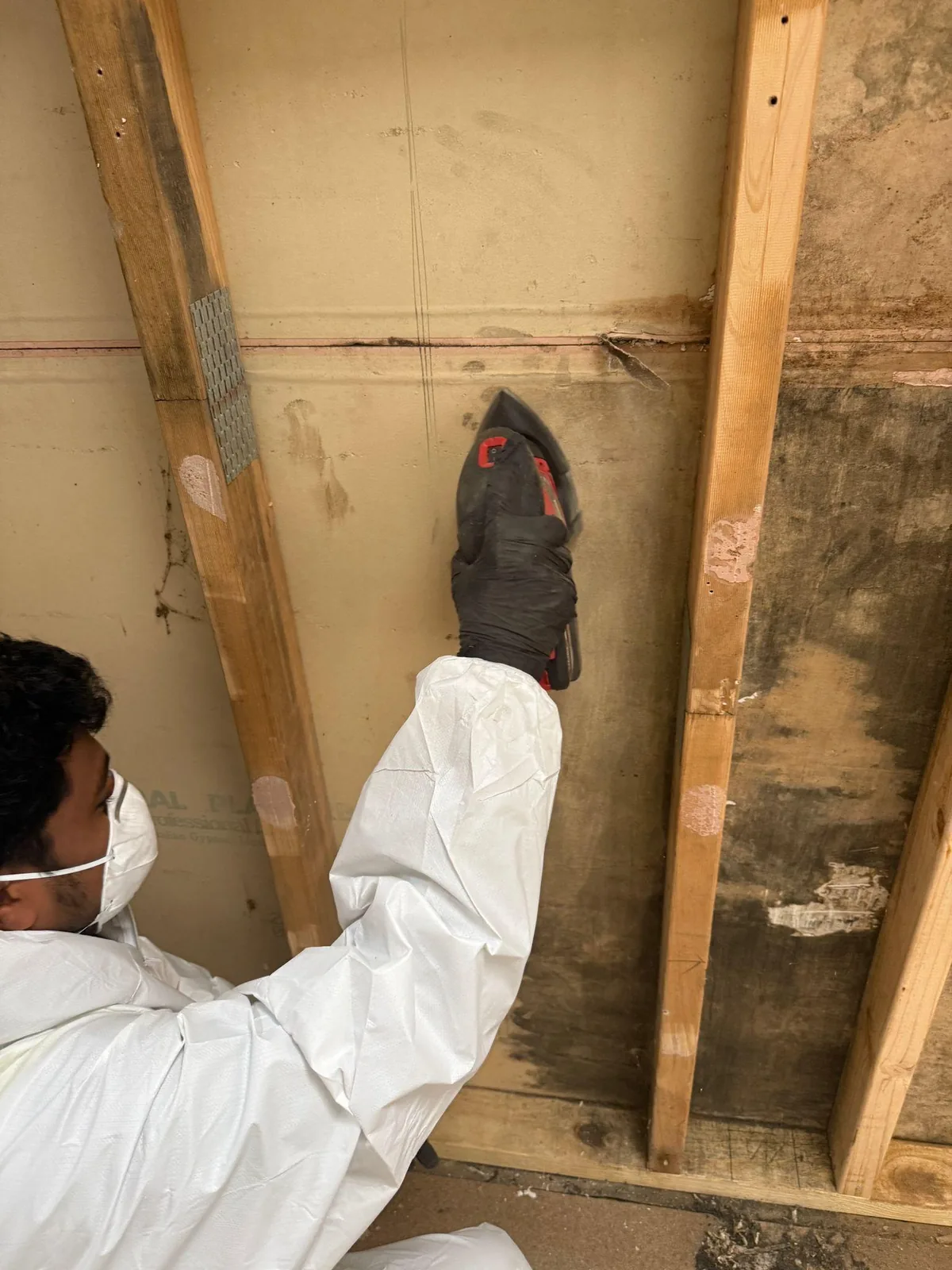
We consider the visible growth, affected materials, accessibility and surrounding moisture conditions before recommending an appropriate scope of work. Depending on the situation, this may include moisture assessment, containment, HEPA-filtered air management, detailed cleaning, removal of unsuitable affected materials and controlled structural drying.
Mould can also develop following a plumbing leak, roof leak, flooding or previous water intrusion. If moisture damage is still present, our water damage restoration service can form part of the overall restoration process.
Important: simply cleaning visible mould may not address an ongoing leak, elevated moisture or damp building materials. Finding the source of moisture is an important part of reducing the likelihood of the problem returning.
Mould & Moisture Assessment
We assess visible growth, affected materials and moisture conditions to help establish an appropriate remediation scope.
Controlled Containment
Where appropriate, the work area can be separated from unaffected areas while remediation is being carried out.
HEPA Air Management
Professional HEPA-filtered equipment may be used as part of a controlled remediation environment where required.
Structural Drying
When excess moisture remains within building materials, controlled drying and dehumidification may be incorporated.
Understanding the Service
What Is Mould Remediation?
Mould removal and mould remediation are often used as similar terms, but professional remediation generally involves a broader process than simply wiping visible mould from a surface.
More Than Surface Cleaning
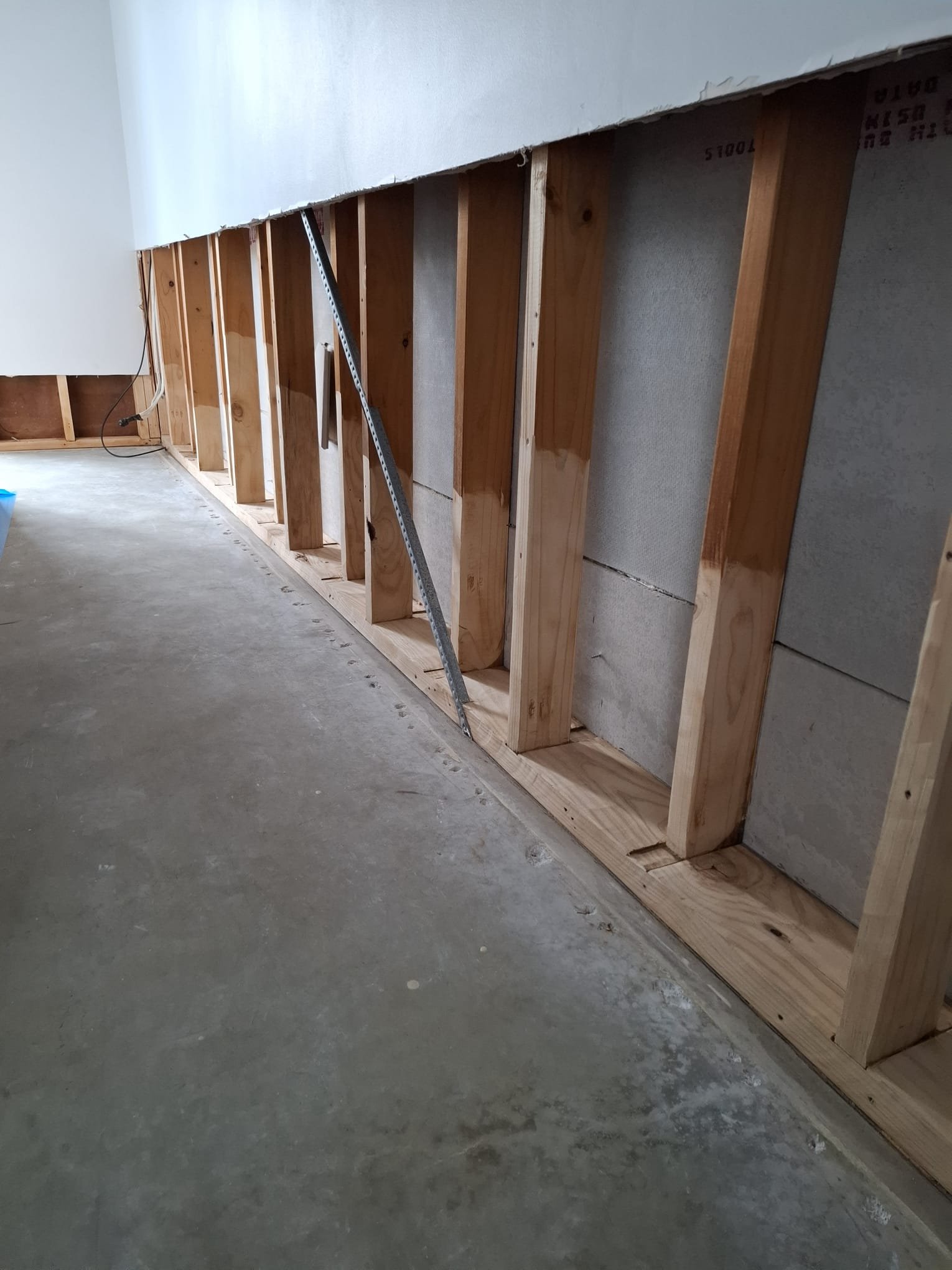
Remediation can involve assessment of affected areas, investigation of moisture conditions, containment where appropriate, cleaning of suitable materials and removal of materials that cannot reasonably be remediated.
The appropriate method depends on the extent of the problem, the materials involved and conditions identified at the individual property.
Professional Remediation Principles
The ANSI/IICRC S520 Standard for Professional Mold Remediation provides recognised industry guidance covering professional mould remediation practices.
Rapid Dry Restoration uses a property-specific approach rather than applying the same treatment to every mould problem.
Recognising a Problem
Signs You May Need Professional Mould Removal
Not every mould problem starts with a large visible patch. Dampness, staining, musty odours and recurring surface growth can all justify further investigation.
Visible or Recurring Mould
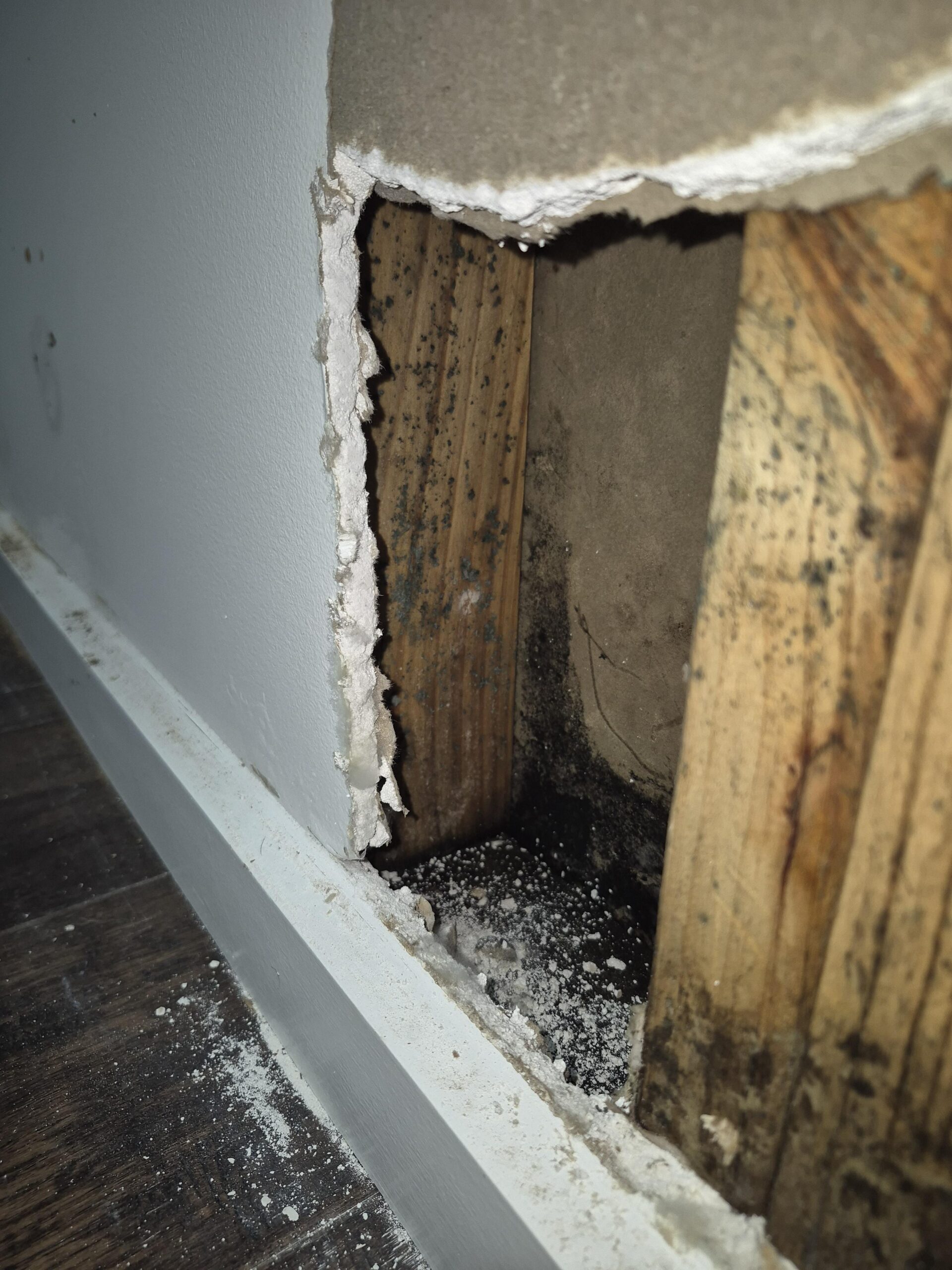
Black, green, white, grey or other discoloured growth on walls, ceilings, timber, grout, skirting or other building materials may indicate that moisture is present.
When mould repeatedly returns after surface cleaning, the conditions supporting that growth may still remain.
Persistent Musty Odours
A continuing damp or musty smell can sometimes be associated with moisture or mould behind cabinetry, flooring, skirting, wall linings or other difficult-to-see locations.
Water Staining or Damp Materials
Water marks, peeling paint, swollen skirting, bubbling finishes and damp plasterboard can indicate that moisture has affected surrounding building materials.
Mould Following Water Damage
Burst pipes, leaking appliances, roof leaks, flooding and other water events can leave moisture deeper within materials even after the visible surface appears dry.
Addressing the Cause
Why Moisture Control Matters
Mould and moisture are closely connected. Understanding why an area became damp is therefore an important part of developing an effective remediation approach.
Plumbing Leaks
Leaks inside walls, below sinks, around appliances or from damaged plumbing can introduce moisture into materials without always creating obvious standing water.
Roof & Building Leaks
Problems with roofing, gutters, flashing or other building elements can allow moisture to enter ceilings and wall systems.
Condensation
Condensation can develop when humid indoor air meets colder surfaces. Bathrooms, laundries, bedrooms and poorly ventilated spaces can be particularly susceptible.
Previous Water Damage
Materials can appear dry at the surface while moisture remains within underlay, timber, plasterboard, flooring, subfloors or cavities.
Where a property has experienced significant water entry, our flood restoration service can assist with the broader restoration requirements.
Wet Carpets & Flooring
Carpet and underlay can retain moisture following leaks or flooding. See our carpet drying service in Geelong for related water-damage assistance.
Poor Ventilation
Areas with limited airflow can retain moisture for longer. Correcting the moisture source or contributing building condition is important alongside remediation.
Our Remediation Approach
Our Mould Remediation Process
Every property is different. The following provides an overview of the steps that may form part of a professional mould remediation project.
-
Initial Inspection
We inspect affected areas and consider visible growth, water staining, damp materials, musty odours, previous leaks and other relevant conditions.
-
Moisture Assessment
Appropriate moisture-detection equipment may be used to help establish whether surrounding building materials require further investigation.
-
Identify Moisture Sources
Possible causes may include plumbing leaks, roof leaks, condensation, previous flooding, damp building materials or elevated humidity.
-
Containment
Where required, affected work areas can be separated from unaffected parts of the property to help manage dust and particulates during remediation.
-
HEPA Air Management
Professional HEPA-filtered equipment may be used where appropriate as part of a controlled remediation environment.
-
Removal & Detailed Cleaning
Cleanable surfaces may undergo detailed remediation. Materials that are significantly damaged or unsuitable for successful cleaning may require controlled removal.
-
Structural Drying
If excess moisture remains, air movement, dehumidification and continued moisture assessment may be used according to the conditions found.
-
Final Assessment
Following completion of the agreed remediation scope, treated areas can be visually reviewed and moisture conditions reassessed where appropriate.
Dark or Black-Coloured Mould
Black Mould Removal in Geelong
“Black mould” is a commonly used description, but colour alone does not reliably identify a mould species or determine the extent of a mould problem.
Mould can appear black, green, grey, white, brown or other colours. A more useful assessment considers why the growth is present, which materials are affected, whether moisture remains and whether the problem continues to return after surface cleaning.
Rapid Dry Restoration applies the same moisture-focused assessment principles to dark-coloured mould as to other mould conditions.
- Investigate potential moisture sources
- Assess visible and potentially concealed affected materials
- Determine appropriate containment requirements
- Establish which materials can reasonably be remediated
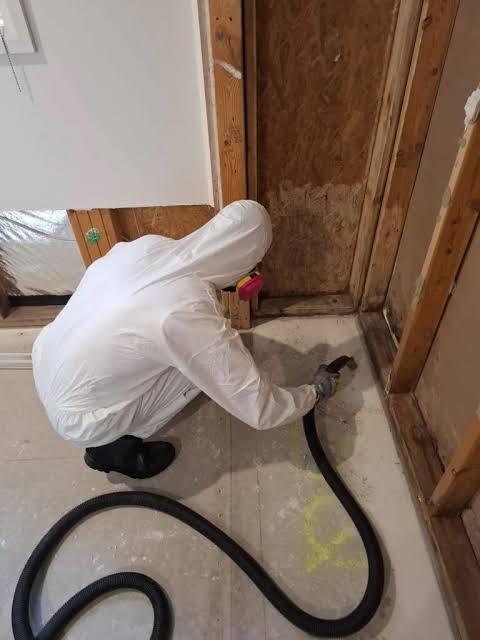
Water Damage & Mould
Mould Removal After Flooding or Water Damage
Water can move beyond the area that initially appears wet, which means the visible surface may not represent the full extent of a moisture problem.
Moisture Can Spread Through Building Materials
Depending on the incident, moisture may affect carpet, underlay, timber flooring, plasterboard, skirting, insulation, cabinetry, subfloors and adjoining areas.
Removing standing water does not necessarily confirm that deeper materials have dried.
Integrated Restoration
Rapid Dry Restoration Geelong provides water extraction, moisture assessment and controlled structural drying alongside our wider restoration services.
Where mould is already present following a water event, drying and remediation requirements can be considered together rather than treating the visible mould separately from the moisture problem.
Water Damage Restoration Geelong →Homes & Businesses
Residential & Commercial Mould Remediation
Residential Mould Removal
We assist homeowners, tenants, landlords and property managers with mould concerns affecting areas such as:
- Bedrooms
- Bathrooms
- Laundries
- Kitchens
- Walls
- Ceilings
- Wardrobes
- Cupboards
- Carpet
- Underlay
- Skirting boards
- Subfloor areas
The scope is based on the actual property conditions rather than a generic mould-cleaning package.
Commercial Mould Remediation
Commercial and managed properties may require additional planning around occupancy, access, operating hours and the location of affected building materials.
- Offices
- Retail premises
- Rental properties
- Strata properties
- Storage areas
- Managed buildings
- Commercial premises
- Community facilities
We can work with owners, landlords and property managers to establish a practical remediation approach.
Assessment Before Action
Mould Inspection & Moisture Investigation
Visible mould does not always show the full extent of a moisture problem. Inspection can help determine whether surrounding materials or concealed locations require further investigation.
What We May Assess
- Visible mould distribution
- Water staining
- Surface deterioration
- Moisture readings
- Previous leak locations
- Condensation patterns
- Musty odours
- Carpet and flooring
- Plasterboard
- Surrounding building materials
Is Mould Testing Always Required?
Not every mould remediation project requires laboratory testing.
Where visible mould and an identifiable moisture problem are present, an appropriate scope may sometimes be established through inspection and moisture assessment.
Testing may be useful where additional information is required for a particular property, documentation purpose or verification objective.
When to Seek Professional Help
Should You Remove Mould Yourself?
Small household areas may sometimes be managed by the property owner, but larger, recurring or water-damage-related mould problems can warrant professional assessment.
Professional Assessment May Be Appropriate When:
- Mould affects a substantial area
- Mould repeatedly returns after cleaning
- Mould developed following flooding or significant water damage
- Moisture may be concealed within walls or flooring
- Porous building materials are significantly affected
- There is a persistent unexplained musty odour
- The affected location is difficult to access
- You cannot identify the moisture source
Victorian Household Mould Guidance
The Victorian Better Health Channel provides public information about household mould, moisture control and cleaning.
You can review Victorian Government guidance about mould removal .
Anyone concerned about possible health effects should seek advice from an appropriately qualified healthcare professional. Rapid Dry Restoration provides property restoration services rather than medical assessment.
Why Rapid Dry
Why Choose Rapid Dry Restoration Geelong?
Our mould service is supported by practical water-damage, moisture-assessment and structural-drying experience.
Local Geelong Restoration Team
Rapid Dry Restoration Geelong is based at 50/58 Moorabool St, Geelong VIC 3220 and services properties throughout Geelong and surrounding communities.
Moisture-Focused Approach
Rather than treating visible mould only as a cosmetic problem, we consider moisture conditions that may be contributing to the issue.
Professional Restoration Equipment
Depending on the project, professional equipment may include moisture meters, HEPA-filtered air management, dehumidifiers and air-moving equipment.
Clear Property-Specific Scope
The recommended approach depends on the materials affected, accessibility, moisture conditions and extent of the problem identified at the property.
Local Geelong Coverage
Areas We Service Across Geelong & Surrounding Suburbs
Rapid Dry Restoration services Geelong and surrounding communities. Select your suburb below to view local service information.
Customer Feedback
What Customers Say About Rapid Dry on Google
Feedback from customers who have used Rapid Dry Restoration and carpet cleaning services across the Geelong area.
 5.0
5.0
“Friendly, professional, and did an amazing job.”
Natasha highlighted Gerry's short-notice availability, attention to detail and the final carpet-cleaning result.
Google Review“Communication was spot on.”
Jayrol praised Peter's cleaning work, Gerry's organisation and the team's ability to accommodate the booking at short notice.
Google Review“Very polite hard working man.”
Brandon praised the carpet-cleaning result and Gerry's service and said he would recommend Rapid Dry to others.
Google Review“Efficient and friendly.”
Jorja described a positive result after carpet damage associated with dog-sitting and praised Gerry's service.
Google Review“Prompt and professional.”
Debra highlighted professional service and a noticeable improvement in the appearance of the carpet.
Google Review“The house smelt incredibly clean and fresh.”
This customer reported using Rapid Dry twice for end-of-lease carpet cleaning, including challenging pet odour and staining.
Google ReviewHelpful Information
Mould Removal Geelong FAQs
Click any question below to view the answer.
What is the difference between mould removal and mould
remediation?
Mould removal generally describes removing visible mould from affected materials. Mould remediation is a broader process that can include inspection, moisture assessment, containment, HEPA-filtered air management, cleaning, controlled removal of unsuitable affected materials and structural drying where required.
How much does mould removal cost in Geelong?
The cost depends on the size and location of the affected area, materials involved, accessibility, moisture conditions and remediation work required. Smaller accessible areas generally involve a different scope from mould affecting several rooms, wall cavities, flooring or structural materials.
Contact Rapid Dry Restoration Geelong for an assessment and property-specific quote.
Can black mould be professionally removed?
Mould that appears black can be professionally assessed and remediated using appropriate procedures. Colour alone does not establish the mould species or determine the required remediation method. Moisture conditions, affected materials, location and extent of growth are also important.
Why does mould keep coming back after cleaning?
Recurring mould can indicate that the moisture conditions supporting growth have not been fully resolved. Possible causes include plumbing leaks, roof leaks, condensation, elevated humidity, poor ventilation or building materials that remain damp after previous water damage.
Do I need mould testing before remediation?
Not every mould remediation project requires laboratory testing. Where visible mould and an identifiable moisture problem are present, the remediation scope may sometimes be established through professional inspection and moisture assessment.
Testing may still be useful where additional information is needed for a particular property, documentation requirement or verification purpose.
How long does mould remediation take?
The timeframe depends on the extent of the affected area, materials involved, accessibility, moisture source and whether structural drying or removal of building materials is required.
An on-site assessment provides a more useful indication of the likely remediation scope than a generic timeframe.
Can you help with mould caused by a roof leak or burst
pipe?
Yes. Where mould is associated with water intrusion, Rapid Dry Restoration Geelong can assess moisture conditions and determine whether professional drying should be incorporated into the remediation process.
Significant water damage may also require our water damage restoration service .
What should I do if I can smell mould but cannot see it?
A persistent musty smell can sometimes indicate hidden dampness or mould. Check for obvious signs such as water staining, leaks, condensation, damaged skirting, damp flooring or previous water intrusion.
If the source cannot be identified, professional moisture assessment may help determine whether further investigation is appropriate.
Can mould be hidden behind plasterboard?
Yes. Moisture and mould can sometimes affect concealed building materials behind plasterboard, cabinetry, skirting, flooring and other finishes. Further investigation may be required where visual signs, moisture readings or previous water damage indicate a concealed problem.
Do you provide residential mould removal?
Yes. Rapid Dry Restoration Geelong assists homeowners, tenants, landlords and property managers with mould and moisture concerns affecting residential properties throughout Geelong and surrounding areas.
Do you provide commercial mould remediation?
Yes. We provide mould assessment and remediation for appropriate commercial and managed properties. The proposed scope is based on affected materials, accessibility, moisture conditions and operational requirements.
What Geelong suburbs do you service?
Rapid Dry Restoration services Geelong and many surrounding suburbs including Belmont, Highton, Armstrong Creek, Charlemont, Marshall, Corio, Leopold, Newcomb, Waurn Ponds, Grovedale, Geelong West, Newtown, Torquay, Ocean Grove, Lara, Drysdale and surrounding communities.
See the complete service-area list above .
How do I arrange a mould assessment in Geelong?
Call Rapid Dry Restoration Geelong on 0488 042 391 or send an enquiry through our contact page .
Providing details about where the mould is located, whether there has been a leak or flood and how long the issue has been present can help us understand the situation before attending.
Arrange an Assessment
Concerned About Mould or Persistent Moisture?
Speak with Rapid Dry Restoration Geelong about professional mould assessment, remediation and moisture-related restoration for your home, rental property or commercial premises.