Rapid Dry Restoration Geelong

Google 5-Star Rated 5-Star Rated
Servicing Geelong & Surrounding
Professional Moisture Detection • Geelong

Infrared Thermal Imaging Geelong

Professional thermal imaging and moisture detection to help identify hidden water damage behind walls, ceilings and flooring across Geelong and surrounding suburbs.

✓ Non-Invasive Moisture Investigation
✓ Advanced Thermal Imaging Technology
✓ Water Damage & Moisture Mapping
Geelong Based Residential & Commercial Professional Restoration Team
Infrared Thermal Imaging Geelong for hidden moisture investigation
Infrared Thermal Imaging Geelong & Surrounding Suburbs
Moisture Investigation

Investigate hidden moisture and understand water damage

A ceiling stain, damp wall or persistent musty smell can leave you wondering how far a moisture problem extends. The visible mark may be only one part of the issue, particularly after a plumbing leak, overflowing appliance or water entering during rain.

Rapid Dry Restoration Geelong provides infrared thermal imaging in Geelong to support moisture investigations and water damage assessment. We use thermal imaging alongside suitable moisture testing to investigate accessible areas, assess concerns and help you understand the next steps.

Our focus is practical: where further checks are needed, which materials may be affected, and whether drying or another specialist service should be considered.

We assist homeowners, rental property managers and businesses across Geelong and surrounding suburbs. Whether you have noticed a new problem or want advice following water damage, contact our local team to discuss your property.

Speak With Our Geelong Team

What is infrared thermal imaging?

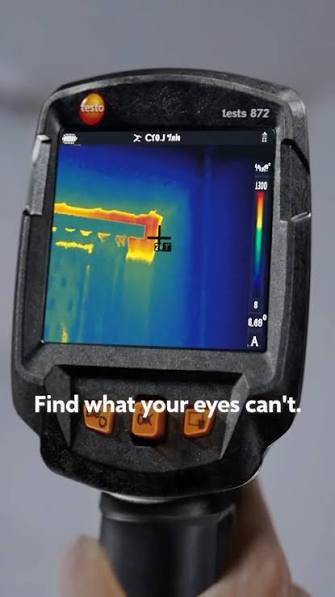
Infrared thermal imaging uses a specialised camera to display differences in surface temperature. The resulting image helps an inspector recognise patterns that may warrant closer investigation.

In a moisture assessment, this can help identify areas where wet materials may be influencing the temperature of a visible surface. Thermal imaging is a useful screening tool, particularly when there is little obvious damage or a larger area needs checking.

However, a thermal camera does not directly measure moisture. A temperature difference needs to be interpreted alongside the building materials, surrounding conditions and other inspection findings. Suspected damp areas should be checked using appropriate moisture testing .

For property owners, the value is a more informed investigation. Instead of relying only on a stain or the feel of a surface, the assessment brings together different types of evidence to guide the next decision.

Thermal imaging can support this process, but it cannot guarantee that every concealed issue will be found.

01

Surface Temperature Patterns

Infrared cameras display temperature variations across visible surfaces, helping identify unusual patterns that may require closer investigation.

02

Efficient Moisture Screening

Thermal imaging can help inspect broader accessible areas when there is little obvious surface damage or the extent of a moisture concern is uncertain.

03

Moisture Verification

A thermal pattern does not confirm moisture on its own. Suspected damp areas should be assessed using appropriate moisture testing and other inspection evidence.

04

More Informed Decisions

Combining thermal observations with moisture testing and property conditions can provide better information for deciding whether further investigation or drying is appropriate.

Recognising Moisture Concerns

When should you arrange a moisture inspection?

Consider an assessment when you notice a change that could be related to unwanted water or dampness. You do not need to know the cause before contacting us. Explain what you have seen, when it started and whether anything has recently changed at the property.

Common reasons for an enquiry include:

✓ A ceiling mark that appears or grows after rain.
✓ Damp patches near skirting boards or door frames.
✓ Paint that is bubbling, lifting or repeatedly discolouring.
✓ A musty smell that returns after cleaning.
✓ Carpet that remains damp following a leak.
✓ Swelling or movement around flooring and cabinetry.
✓ Recurring moisture concerns beside a bathroom or laundry.
✓ Uncertainty about drying after a burst pipe or overflow.

Visible signs do not always reveal the full picture

These signs do not establish the cause on their own. A stain may remain after an earlier problem, while an active moisture issue may have few visible signs.

An inspection can help distinguish what is observable now from what still needs investigation. If the problem is changing, photographs taken over time can also provide useful background when you speak with our team.

Learn about Water Damage Restoration in Geelong
Understanding Thermal Imaging

What thermal imaging can—and cannot—tell you

A thermal image provides information about the surface being viewed. It does not give an unrestricted view inside a wall, beneath a floor or through a ceiling.

For example, a concealed issue may influence the temperature of an accessible surface enough to create a noticeable pattern. In other circumstances, the materials or conditions may prevent a useful thermal indication.

Insulation, airflow, sunlight, heating and cooling can also affect the image. An unusual pattern is therefore a reason to investigate, rather than proof of a leak.

We believe these limitations should be explained clearly. A useful assessment considers both the findings and the areas that could not be adequately checked.

You should understand whether moisture was confirmed at a tested location, whether a concern remains uncertain, and whether additional access or another type of inspection is appropriate. That clarity is more valuable than treating a colourful thermal image as a complete diagnosis.

For background on the technology, FLIR explains why thermal cameras cannot see through walls .

01

Surface-Based Information

Thermal cameras assess infrared energy from visible surfaces rather than providing a direct view through walls, floors or ceilings.

02

Conditions Affect Results

Sunlight, insulation, airflow, heating, cooling and different building materials can influence the thermal pattern visible during an inspection.

03

Moisture Needs Verification

A temperature anomaly can justify closer checks, but suitable moisture testing provides additional evidence at selected locations.

04

Limitations Should Be Clear

Where access, materials or site conditions restrict an assessment, those limitations should be explained rather than overstating what one scan can determine.

After Water Damage

Moisture detection after a leak or overflow

Once the immediate water problem has been stopped, the next question is often how much of the property has been affected.

A wet patch beside an appliance may draw your attention first, but the assessment may also need to consider nearby flooring, wall edges or adjoining spaces. The inspection scope should reflect the event and the layout of the property.

Tell us whether the water came from a washing machine, dishwasher, hot water system, pipe, bathroom or another source. If a plumber has already attended, their findings can help inform the restoration assessment.

It is also useful to explain what has happened since the event. Water extraction, heating, ventilation, cleaning or the removal of materials may all affect what is visible when we arrive.

Our role is to help assess the moisture concern and discuss restoration needs. Where the source has not been resolved, further plumbing or building investigation may be necessary alongside that work.

Helpful information

Tell us what happened before the inspection

01

Where the water first became visible.

02

The suspected or confirmed water source.

03

Whether a plumber or another trade has attended.

04

Any extraction, drying, ventilation or material removal already completed.

Inspecting Different Surfaces

Thermal imaging for walls, ceilings and flooring

Walls

Different surfaces require different inspection approaches. An accessible painted wall presents a different assessment situation from tiled flooring, fitted cabinetry or a ceiling with limited access above it.

For walls, tell us whether the concern is concentrated near the floor, around a window or beside a wet area.

Ceilings

For ceilings, note whether the mark changes after rainfall or after an upstairs fixture is used.

The position of the mark, roof or plumbing history and accessibility above the ceiling may all affect the assessment approach.

Flooring

Flooring enquiries should include the type of surface and any changes you have noticed, such as damp carpet, lifted edges or movement at joins. Let us know whether underlay or other layers have already been exposed.

Learn about Carpet Drying Geelong

The inspection method should suit the surface

Thermal imaging may help guide checks across accessible surfaces, while suitable instruments provide additional information at selected locations.

Some areas may require a different testing method or access by an appropriate trade. We will discuss those limitations rather than imply that one scan can assess every layer of a building.

Our Assessment Process

How a thermal imaging and moisture assessment works

A practical step-by-step approach to investigating moisture concerns and understanding what may need to happen next.
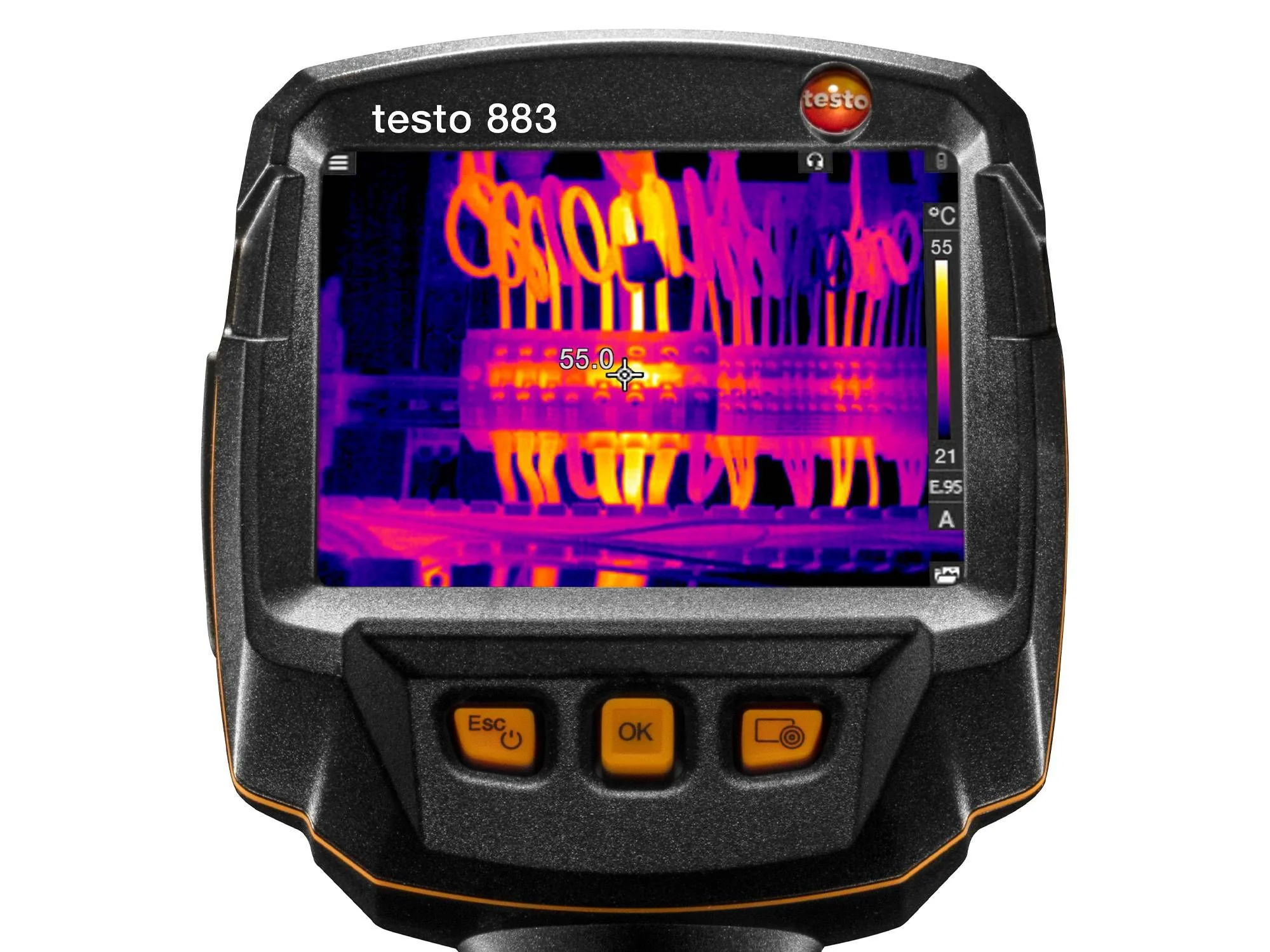
Infrared thermal imaging and moisture assessment in Geelong
Thermal Imaging & Moisture Assessment Geelong & Surrounding Suburbs
01 Discuss the concern and agree on the scope

The assessment starts with your description of the problem. We ask about the property, affected rooms, visible signs and any known water event.

This helps establish whether you need an isolated area checked, advice after water damage or a broader discussion about restoration. Tell us at booking if you have a particular deadline or need information for a property manager.

02 Review accessible areas

The inspection considers visible conditions and access to the agreed areas. Stains, surface changes and the relationship between neighbouring rooms can help guide the investigation.

Please identify previous repairs or recurring issues, even if they appear unrelated. This background helps avoid treating an old mark as a new event without further consideration.

03 Use thermal imaging where suitable

Thermal scanning helps identify temperature patterns across the surfaces being assessed. Its usefulness depends on conditions at the time and the materials involved.

The scan supports the investigation by directing attention to areas that may need closer checking.

04 Check suspected moisture

Appropriate moisture testing is used to investigate selected areas of concern. The method depends on the material and available access.

Camera findings and moisture measurements serve different purposes. Using them together supports a more informed assessment than interpreting thermal images alone.

FLIR: identification and verification in restoration
05 Explain the findings and next steps

The outcome should help you decide what to do next. Depending on the findings, that may involve drying, monitoring, further access or investigation by a plumber, roofer or other qualified professional.

If you need photographs, written findings or particular documentation, discuss those requirements when booking so the scope can be confirmed.

Monitoring Restoration Progress

Checking progress during water damage restoration

Property owners often want to know when they can move furniture back, arrange repairs or return a room to normal use. Those decisions need to take account of the affected materials and the progress of the restoration work.

Where thermal imaging is useful, it can support checks during drying. Moisture measurements remain an important part of assessing progress; a change in the appearance of a thermal image is not, by itself, proof that every affected material has dried.

Ask what will be checked, whether another visit is needed and which decisions fall outside the restoration assessment. For example, a flooring installer may have separate requirements before a new product can be laid.

Clear communication between the property owner and the relevant trades helps keep the work organised.

Moisture Assessment Applications

Thermal imaging and moisture assessment for different property needs

01

Recurring dampness and musty odours

A recurring problem can be frustrating, particularly when cleaning or repainting has only provided a temporary improvement.

When you contact us, explain the pattern. Does the smell return after the property has been closed up? Does the mark change after rain? Is the concern beside a shower, external wall or fitted cupboard? These observations help define what needs investigating.

A thermal camera does not identify mould species or establish whether an indoor environment is safe. Its role in this type of enquiry is to support investigation of possible moisture-related conditions.

If visible mould or repeated dampness is part of the problem, mention it before the appointment. The assessment and any subsequent work need to suit the actual conditions.

Key point

Treating a surface without considering why the issue keeps returning may leave important questions unanswered.

02

Thermal imaging enquiries for homeowners

An unfamiliar damp patch can create several concerns at once: what caused it, how much repair work might be needed and whether nearby rooms are affected.

You do not need technical knowledge to make a useful enquiry. Start with the room, the visible change and when you first noticed it. Photos of the surrounding area are often more helpful than a close-up of the mark alone.

Let us know if you are planning to repaint, replace flooring or install cabinetry near the affected area. This gives the discussion a clear purpose and helps identify what information you need before proceeding.

We aim to explain the assessment in straightforward language, including any uncertainty or access limitations.

Helpful information

The room, location of the concern, when it appeared and photographs of the surrounding area can provide useful background.

03

Support for rental properties and property managers

Moisture enquiries in rental properties often involve several people. The occupant may notice the problem, while the property manager arranges access and the owner decides on further work.

To help organise the assessment, provide the property address, affected rooms and a brief description of the concern. Include the access contact and details of any plumber or other contractor who has already attended.

It is useful to identify the question you need answered. You may want to understand whether a reported area is currently damp, whether drying should be considered or whether further investigation is required.

Tell us about documentation requirements before booking so the proposed service can be discussed against your needs.

Before the visit

Confirm access arrangements, affected rooms, previous contractor attendance and any documentation requirements.

04

Commercial moisture assessment in Geelong

For a business, a water-related problem can affect access, daily operations and the timing of repairs. An assessment needs to consider how the premises are used as well as the area of concern.

When enquiring, tell us whether the property is an office, shop, hospitality venue or another commercial space. Describe any restrictions around public access, stock, equipment or occupied rooms.

Please nominate the person who can provide access and discuss the proposed work. If a building manager, landlord or maintenance contractor is involved, explain how responsibilities are being coordinated.

We can discuss the moisture assessment and relevant restoration services in the context of your premises.

Objective

Provide useful information for the next decision, whether that involves drying, maintenance, further investigation or access to an affected area.

Local Geelong Service

Areas We Service Across Geelong

Rapid Dry Restoration Geelong provides professional carpet cleaning, flood restoration and water damage services across Geelong and surrounding suburbs. Explore some of our key service areas below.

Rapid Dry Restoration Geelong

Why Choose Rapid Dry Restoration for Thermal Imaging in Geelong?

When you are dealing with suspected hidden moisture or water damage, you need clear information before deciding what happens next. Rapid Dry Restoration provides professional moisture assessment and infrared thermal imaging support for homes, businesses and managed properties across Geelong and surrounding areas.

Local Geelong Property Assessment

We provide a local point of contact for property owners, businesses and property managers who need help investigating suspected moisture. We take the time to understand what happened, which areas are affected and what information you need from the inspection.

Clear Inspection Scope

A thermal image should support a proper investigation, not create confusion. We explain what the proposed assessment covers, what thermal anomalies may indicate and when additional moisture testing or further investigation may be appropriate.

Advice Suited to Your Property

Every enquiry is different. Homeowners may need help understanding the next repair step, while landlords and property managers may need clear information for access, contractors and follow-up work. We tailor the discussion to the property and the reason for your enquiry.

Concerned About Hidden Moisture?

Speak with Rapid Dry Restoration about your property, the areas of concern and whether a professional thermal imaging or moisture assessment may be suitable.

Infrared Thermal Imaging Geelong

Frequently Asked Questions

Learn more about infrared thermal imaging, hidden moisture detection, water damage assessment and what to expect when arranging an inspection with Rapid Dry Restoration Geelong.

Can thermal imaging find a hidden water leak?

Thermal imaging can help identify unusual surface temperature patterns that may warrant further investigation for moisture. However, a thermal camera does not directly see water through walls or guarantee the exact location of a leaking pipe.

Where a suspicious thermal pattern is identified, moisture testing and, where necessary, investigation by a plumber, roofer or building professional may be required to establish the source.

Is infrared thermal imaging non-invasive?

Yes. The thermal camera itself performs a non-contact scan and does not require walls, ceilings or flooring to be opened simply to produce a thermal image.

If an area requires further verification, moisture-testing equipment may be used directly on or around the material. Additional access may sometimes be required depending on the findings.

Will thermal imaging tell me exactly why a wall is damp?

Not always. Establishing that an area may contain excess moisture and identifying the original cause are related but different parts of an investigation.

Depending on the findings, further plumbing, roofing or building investigation may be required to determine the source.

Can you inspect after the visible water has gone?

Yes. An assessment may still be useful where the visible water has disappeared but there is uncertainty about surrounding walls, flooring, carpet, underlay or other building materials.

If your property has experienced a larger water event, you can also learn more about our water damage restoration services in Geelong .

Does a normal thermal image mean there is no moisture?

No. A thermal image without an obvious anomaly cannot rule out every possible moisture issue.

Thermal patterns can be influenced by temperature, airflow, insulation, building materials and surrounding environmental conditions. Results should therefore be considered together with visual observations and appropriate moisture testing.

Can I request photographs or a written report?

Yes, but discuss your documentation requirements before booking. Let us know whether you need thermal images, photographs, written observations or another particular format.

Any documentation available, scope and associated cost can then be confirmed before the assessment.

How long does a thermal imaging assessment take?

The time required depends on the property, the number of areas being investigated, accessibility and the nature of the moisture concern.

One accessible room will usually involve a different inspection scope from several rooms or a property with a complex history of water damage.

What affects the cost of thermal imaging in Geelong?

Pricing depends on the scope of the assessment. Factors can include the size of the inspection area, number of rooms, accessibility, additional moisture testing, documentation requirements, travel and whether follow-up attendance is needed.

Professional drying, water extraction or wet carpet restoration may be separate services where required. You can also learn more about our carpet drying services in Geelong .

Need Help With Hidden Moisture?

Speak With Rapid Dry Restoration Geelong

Tell us what has happened and which areas concern you. Our team can discuss the appropriate next step for your property.