Mould Surface Assessment • Geelong
Swab Testing Geelong
Professional mould swab testing, surface assessment and moisture investigation for homes, rental properties and businesses across Geelong and surrounding areas.
Quick answer
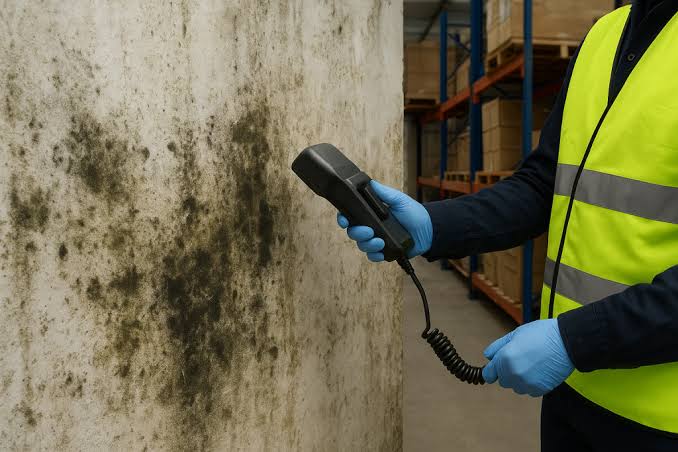
Mould swab testing collects material from a selected surface where mould or microbial contamination is suspected. It can provide useful information about that particular surface, but it should be interpreted alongside the condition of the property, moisture readings and the history of leaks, flooding or dampness.
Professional Mould Assessment
What Is Mould Swab Testing?
Mould swab testing is a form of surface sampling used to collect material from a specific location where fungal growth or other microbial contamination is suspected.
During an assessment, a selected surface can be sampled using an appropriate sterile collection method. Where laboratory analysis forms part of the agreed assessment, the sample can then be examined to provide further information about material collected from that location.
Unlike air sampling, a surface swab relates specifically to the surface being sampled. A result from one wall, ceiling or building material should therefore not automatically be treated as a description of conditions throughout an entire property.
At Rapid Dry Restoration Geelong, mould-related assessments can also consider moisture conditions, visible deterioration and previous water damage so that testing is considered in the wider context of the building.
Where a property already has a larger mould problem, see our Mould Remediation Geelong service.
A Practical Assessment Approach
More Than Simply Taking a Surface Sample
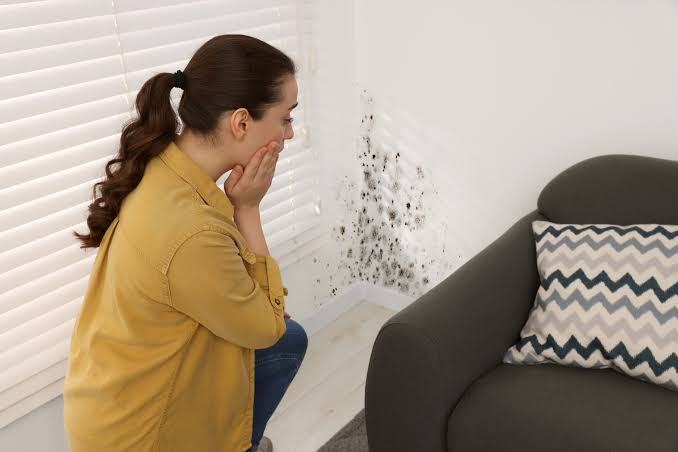
Useful mould assessment considers the reason for testing, the condition of the surface and the moisture conditions affecting the building.
Targeted Surface Sampling
Sampling is directed at a relevant surface rather than selecting random areas without a clear assessment purpose.
Moisture Investigation
Moisture readings and property conditions can help identify damp materials or water-related factors contributing to mould growth.
Clear Assessment Context
Surface findings are considered alongside visible mould, staining, water damage, building materials and the history of the affected area.
Practical Next Steps
Where a wider issue is identified, the next step may involve moisture control, professional drying, remediation or further specialist assessment.
When Testing May Help
When Is Mould Swab Testing Useful?
Swab testing can be useful when additional information is required about a particular surface. It is most valuable when there is a clear reason for taking the sample and the result will assist with an assessment or restoration decision.
Testing May Be Considered When
- an unusual material or surface growth requires investigation
- mould repeatedly returns after previous cleaning
- contamination is suspected following water damage
- a selected area requires documented sampling
- there is uncertainty about a specific affected surface
- further information may assist remediation planning
- a rental or commercial property requires documented findings
Testing Is Not Automatically Required
Where mould is already clearly visible, surface testing may not always be necessary. In many cases, locating the moisture source and properly addressing affected materials is more important than simply confirming that visible mould is mould.
Victorian health guidance states that where mould is visible, it is generally not considered necessary to test for it in the home.
Read the official Victorian Better Health Channel mould guidance .
Understanding The Results
What Can a Mould Swab Test Tell You?
A surface sample can provide information about material collected from the selected location. Its meaning depends on the sampling method, laboratory method and purpose of the assessment.
A Surface Sample May Help Establish
- whether fungal material is present on a sampled surface
- whether an unusual surface requires further investigation
- whether findings support broader mould assessment
- whether additional affected areas should be investigated
- whether remediation planning may be appropriate
What One Swab Cannot Prove
- conditions throughout an entire house or building
- that every concealed area is free from mould
- the overall concentration of airborne mould spores
- the exact cause of a person's health symptoms
- that mould will never return after cleaning
- that hidden moisture is not present elsewhere
Health concerns: property testing is not a medical diagnosis. Anyone concerned about symptoms or personal health effects associated with mould should seek advice from an appropriate healthcare professional.
Our Assessment Process
How Mould Swab Testing Works
Every building is different. The assessment process should be based on what has happened at the property and the question the testing is intended to answer.
Initial Discussion
We discuss what you have noticed, when the problem began, previous water events and why sampling is being considered.
Property Inspection
Accessible areas are assessed for visible mould, staining, deterioration, condensation and signs of previous or ongoing moisture.
Moisture Assessment
Suitable materials may be checked using professional moisture detection equipment to identify conditions requiring further investigation.
Sample Selection
Where a swab is appropriate, the sampling location is selected in relation to the purpose of the assessment.
Surface Sampling
Material is collected from the selected surface using an appropriate sampling method and handled according to the requirements of the testing process.
Findings & Next Steps
Findings can be considered together with the property assessment to determine whether moisture control, remediation or further investigation is appropriate.
Finding The Cause
Why Moisture Investigation Matters
Mould growth is strongly associated with excess moisture. Testing a surface without investigating why the material became damp may leave the underlying problem unresolved.
Common sources of moisture can include:
- roof and ceiling leaks
- burst or leaking plumbing
- water entering through windows or walls
- wet carpet and underlay
- poorly dried flood damage
- condensation and inadequate ventilation
- damp subfloor areas
- moisture trapped inside building materials
If mould has appeared after a leak or flooding event, our Water Damage Restoration Geelong service covers professional moisture detection, extraction and structural drying.
After Leaks & Flooding
Mould Assessment After Water Damage
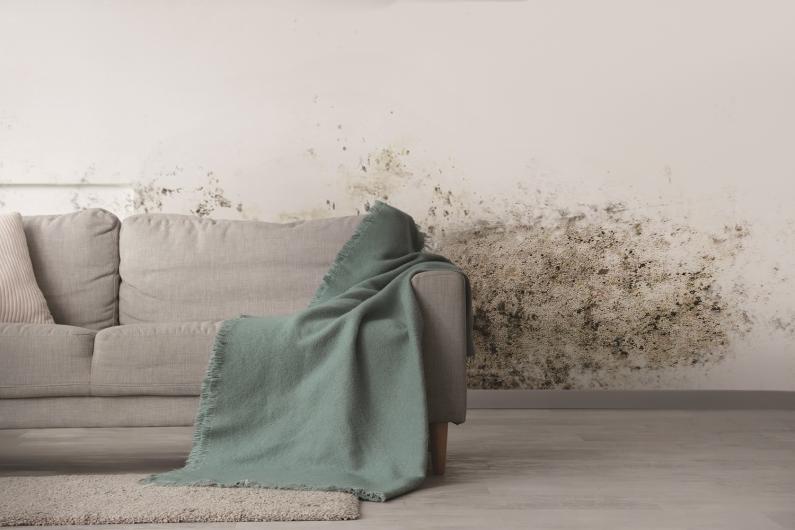
Water can travel beyond the area that appears wet. Moisture may remain beneath carpet, behind skirting boards, inside plasterboard, beneath flooring and within other porous building materials.
If these areas remain damp, conditions can develop that support microbial growth. For that reason, the first priority after a water incident is often proper extraction, moisture assessment and controlled drying.
Rapid Dry Restoration Geelong also provides Flood Restoration Geelong and Carpet Drying Geelong for suitable water-damaged properties.
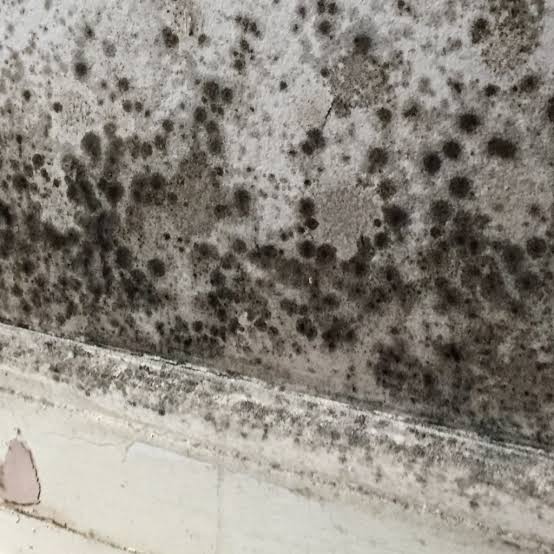
Residential & Commercial
Mould Testing for Different Geelong Properties
Homes & Rental Properties
Mould concerns in homes and rentals can involve visible growth, recurring dampness, condensation, plumbing problems, roof leaks or previous flooding.
An assessment can document conditions observed at the time of attendance and consider whether surface sampling or further moisture investigation is appropriate.
Testing itself does not determine legal responsibility for a rental property problem. Tenancy obligations should be considered separately through the appropriate Victorian tenancy channels.
Commercial Properties
Mould and moisture concerns can also affect offices, retail properties, hospitality venues, warehouses and other commercial buildings.
Commercial assessments may require additional consideration of the size of the affected area, operating hours, occupants, building materials, access requirements and any previous water damage.
Each property should be assessed individually so the investigation reflects the actual building conditions.
Professional Restoration Standards
Assessment, Remediation & Verification
Swab testing is only one possible component of mould-related assessment. Larger or complex projects may also involve remediation planning, moisture control and appropriate post-remediation verification.
Local Geelong Restoration Team
Why Choose Rapid Dry Restoration Geelong?
Mould problems often involve more than what is visible on the surface. Rapid Dry combines mould-related assessment with practical restoration experience and professional moisture detection.
IICRC-Certified Technicians
Professionally trained technicians working with recognised cleaning, drying and restoration practices.
Moisture-Focused Assessment
We consider moisture conditions that may be contributing to mould, rather than focusing only on surface appearance.
Complete Restoration Support
Related services include professional drying, water damage restoration and mould remediation where suitable.
Local Geelong Service
Residential and commercial restoration services throughout Geelong and surrounding communities.
Learn more about Rapid Dry Restoration Geelong .
Local Coverage
Mould Swab Testing Across Geelong & Surrounding Areas
Rapid Dry Restoration provides mould, moisture and restoration services throughout Geelong and many nearby suburbs and communities.
Looking for another suburb? View all areas we service .
Frequently Asked Questions
Swab Testing Geelong FAQs
What is mould swab testing used for?
Swab testing collects material from a selected surface where mould or microbial contamination is suspected. Depending on the assessment and laboratory method, it may provide further information about material collected from that specific location.
Is swab testing the same as mould testing?
Swab testing is one form of mould sampling. Broader mould assessment can also involve visual inspection, moisture investigation, other surface sampling methods or specialist air sampling where appropriate.
Do I need a test if mould is already visible?
Not always. Victorian health guidance states that visible household mould generally does not need testing simply to confirm that mould is present. Identifying the moisture source and properly addressing affected materials may be the more important priority.
Can a swab test find hidden mould?
A swab samples the selected surface. It does not directly test inaccessible wall cavities, ceilings, subfloors or other concealed areas. Hidden problems may require moisture investigation or a broader property assessment.
Can you test black mould?
Dark colouring alone does not reliably identify a mould species. If identification is genuinely required, appropriate sampling and laboratory analysis may provide additional information about the material collected.
Does a negative swab mean the whole property has no mould?
No. A surface sample relates to the sampled location and should not be used on its own to conclude that every other area of a building is unaffected.
Can mould testing be carried out after a water leak?
Yes, where testing is appropriate. However, if building materials are still wet, locating the moisture, removing excess water and establishing suitable drying conditions may need to be addressed first.
Do you provide mould remediation if a problem is found?
Rapid Dry Restoration Geelong provides professional mould remediation for suitable residential and commercial properties, including moisture-related assessment, containment, HEPA filtration and controlled remediation procedures where required.
How much does mould swab testing cost in Geelong?
Cost depends on the property, the number of areas requiring assessment, the type and number of samples and whether laboratory analysis or additional moisture investigation is required. Call 0488 042 391 to discuss your property.
Should I clean the surface before it is tested?
If a particular surface is being considered for sampling, avoid unnecessarily cleaning or disturbing it before discussing the area with the technician, as cleaning can alter the material present on the surface.
Can mould return after cleaning?
Yes. If the underlying moisture or ventilation issue remains, mould can return. Controlling the source of moisture is an important part of managing indoor mould growth.
Do you service rental and commercial properties?
Yes. Rapid Dry Restoration works with homeowners, tenants, property representatives and businesses across Geelong. The appropriate assessment depends on the building and circumstances involved.
Speak With Rapid Dry
Concerned About Mould or Moisture at Your Geelong Property?
Contact Rapid Dry Restoration Geelong to discuss mould surface assessment, swab testing, moisture investigation or related restoration requirements.
Address:
50/58 Moorabool St, Geelong VIC 3220
Email:
info@rapiddryrestoration.com.au